Manual shipping document drafting
Bill of lading, invoice, and packing list re-typed by hand from order data, inviting mismatches.

ShubhDigiImport Export Digital Engineering
EXIM Documentation. Customs Compliance. Shipment Tracking.

ShubhDigi builds import export software—EXIM documentation platforms, customs compliance dashboards, and shipment tracking portals—engineered around real trade operations, with IEC/DGFT-aligned architecture designed in from the start.
About Our Import Export Practice
ShubhDigi builds import export software as trade operations infrastructure, not generic logistics software with an EXIM label. Every engagement starts by mapping how orders move from buyer confirmation through documentation, customs, and delivery, so a bill of lading is never re-typed from scratch and a duty drawback claim is never missed because nobody tracked eligibility. We have delivered this for single-branch trading houses, multi-location exporters, and freight forwarders across India, and the discipline stays the same regardless of shipment volume.
Documentation accuracy is the product, not a feature. Shipping documents that mismatch across invoice, packing list, and bill of lading cause customs holds, bank query cycles, and buyer disputes—exactly the friction EXIM businesses cannot absorb during peak shipping seasons. We design document generation to pull from a single order record, so every downstream document stays consistent without manual re-entry across teams.
Compliance is architecture, not a scramble before a customs audit. IEC and DGFT scheme eligibility, FEMA-aware trade finance boundaries, and RoDTEP/duty drawback documentation trails are designed into the data model from the first sprint. When ICEGATE EDI filing or AEO certification becomes relevant for your operation, the underlying structure is already shaped to support it rather than requiring a rebuild.
Shipment visibility is where most trading houses lose control of their own operations. We build tracking dashboards that pull milestone data across multiple freight forwarders into a single view, so operations teams stop making status calls and buyers get proactive delay notifications instead of surprises at the port.
Trade finance and incentive claims are where documentation discipline pays for itself. We engineer letter of credit document sets to match bank-expected terms before submission, and we build duty drawback and RoDTEP claim tracking so eligible shipments don't quietly miss their filing window—turning compliance from a cost center into recovered revenue.
From discovery through launch and stabilization, you work with one accountable engineering team that documents trade workflows, ships demos your documentation and compliance staff can react to honestly, and leaves you with a system your own team can operate, audit, and extend long after our engagement ends.
Order-to-shipment first
Documentation, customs, and delivery are mapped as one continuous, auditable flow from a single order record.
Compliance by architecture
IEC/DGFT-aligned workflows and RoDTEP documentation trails are core requirements, not late add-ons.
Visibility across forwarders
Shipment tracking unifies multiple freight forwarders into one dashboard—no more status calls.
Incentives that get claimed
Duty drawback and RoDTEP eligibility is tracked automatically so incentives aren't left unclaimed.

Trade operations systems
Document once · Clear customs fast · Claim every incentive
Generic logistics templates
Screens shipped without customs realities, compliance depth, or trade workflow input.
Trade systems engineering
EXIM documentation, customs compliance, and shipment tracking modeled around real trade movement.
EXIM delivery cycle
Map trade workflows → architect compliance → build → pilot branch → migrate → stabilize
Trade Operations Friction
Manual document drafting and disconnected forwarder tracking create gaps exactly where customs clearance and cash flow matter most.
Bill of lading, invoice, and packing list re-typed by hand from order data, inviting mismatches.

Mismatched documentation and HS code errors trigger holds that stall shipments at the port.

Status scattered across multiple freight forwarders forces manual follow-up calls for basic updates.

Eligibility tracked manually causes export incentives to be missed or claimed late.

Document sets that don't match LC terms cause bank rejections and delayed payment realization.

IEC, FEMA, and scheme documentation gaps expose trading firms to penalties and clearance risk.
Import Export Service Menu
Full-stack EXIM software engineering—documentation, customs, tracking, and compliance—scoped to your firm's trade volume.
Bill of lading, invoice, and packing list generated from a single order record, eliminating mismatches.
HS code classification, duty calculation, and ICEGATE-aligned clearance status in one dashboard.
Unified visibility across freight forwarders, vessels, and delivery milestones for every shipment.
LC term capture and document assembly built to reduce bank discrepancy rejections.
Automatic eligibility scanning and claim documentation so incentives don't go unclaimed.

Buyer and supplier relationship tracking, order history, and outreach for repeat trade business.
Data models structured around Importer-Exporter Code and DGFT scheme requirements from day one.

HS code suggestions, document mismatch detection, and delay prediction layered where it adds real value.
Import Export operating context
ShubhDigi is an import export software development company in India engineering trade documentation platforms, customs compliance dashboards, and shipment tracking systems built around real EXIM operations—not generic logistics templates. Engagements span single-branch trading houses to multi-location export firms, covering IEC-linked vendor onboarding, shipping document generation, customs clearance workflows, letter of credit tracking, and duty drawback/RoDTEP claim management, so trade and compliance teams get systems they can run against actual shipment volume.
Built for
Problems to resolve
Import Export workflows
The useful unit of an industry platform is the operational workflow: who acts, which systems exchange data, and where a decision needs an audit trail.
Compliance team, sales desk, overseas buyers
Operational risk: Manual IEC verification across spreadsheets delays onboarding and risks compliance gaps.
Sales desk, documentation team, warehouse
Operational risk: Manually re-typing order data into shipping documents causes BL/invoice mismatches.
CHA, compliance team, customs officers
Operational risk: Manual HS code lookups and duty math cause clearance holds and reclassification disputes.
Finance team, bank desk, buyers
Operational risk: Undetected LC discrepancies cause bank rejections and delayed payment realization.
Logistics team, freight forwarders, buyers
Operational risk: Status calls to multiple forwarders replace a single visibility dashboard.
Compliance team, finance, DGFT liaison
Operational risk: Manually tracked eligibility causes missed incentive windows and unclaimed drawback.
Import Export systems and controls
Integrations, controls, and measurement belong in the implementation plan—not in a generic feature checklist.
Integration dependencies
Customs & Compliance
Electronic filing and scheme eligibility data connected to India's customs and trade portals.
Logistics
Booking, milestone, and document exchange with forwarder and customs house agent platforms.
Finance
Export invoicing, GST/LUT billing, and duty accounting synced with existing accounting systems.
Trade Finance
Letter of credit document exchange and negotiation status synced with banking partners.
Logistics
Live vessel and container milestone data pulled directly into shipment dashboards.
Communication
Shipment milestone and document-ready alerts delivered to buyers and internal teams.
Controls to confirm
Measurement prompts
Shipping Document Turnaround
Faster BL, invoice & packing list generation
Template-driven document generation cuts manual drafting time per shipment.
Customs Clearance Time
Fewer clearance holds
Structured documentation and pre-validation reduce mismatch-driven customs delays.
Duty Drawback Claim Cycle
Faster incentive realization
Centralized claim tracking reduces the time between shipment and incentive receipt.
HS Code Classification Accuracy
Fewer duty disputes
Consistent classification logic reduces disputes and reclassification delays at customs.
Import Export implementation map
The implementation surface stays explicit: the stack, reusable solution blueprints, and discovery assets are connected to the decisions this industry page describes.
Fast, structured interfaces for documentation teams, compliance officers, and buyers.
Reliable APIs powering documentation, customs, and shipment tracking workflows.
Auditable data models for shipments, documents, and compliance records.
Resilient infrastructure that holds up through peak shipping season volume.
Role-based access and audit trails built for trade compliance defensibility.
Practical automation for classification, document validation, and delay prediction.
Solution blueprints
Discovery assets
Import Export AI use cases
AI is most useful when it supports a defined decision or handoff. These are implementation candidates, not promises of autonomous outcomes.
Suggests HS codes from product descriptions to reduce misclassification and customs disputes.
Flags inconsistencies across invoice, packing list, and bill of lading before dispatch.
Forecasts likely delays by lane and forwarder so teams can proactively notify buyers.
Estimates applicable duty and landed cost ahead of order confirmation for pricing accuracy.
Import Export Business Types
A single-branch exporter and a multi-location trading house need different platform shapes—select the pattern closest to yours.

Manufacturers shipping finished goods overseas
Order-to-shipment docs, duty drawback, buyer CRM
How We Build EXIM Software
Eight steps with trade-tested milestones—compliance mapped early, pilot rollouts before scale, hardening before full go-live.
Walk documentation, customs, and finance desks to document as-is workflows and compliance needs with owners.

Define shipment data model, IEC/DGFT-aligned structures, and ICEGATE integration approach before engineering starts.
Design documentation, customs, and tracking screens validated with the people who use them daily.

Build documentation, customs clearance, and duty tracking modules with validation rules baked in.
Wire freight forwarder booking, milestone tracking, and bank LC documentation into a single reconciled record.
Automated tests, document validation checks, and compliance review against IEC/DGFT requirements.

Run the system live for one branch or shipment lane, fix friction, then plan the full rollout.
Staged rollout across branches with hypercare support and continuous improvement cycles.
Swipe to explore each stage →
Platform Capabilities
Twelve capabilities that keep trade operations compliant, billable, and visible across every shipment.

One record feeding invoice, packing list, and bill of lading to prevent mismatches.

Verified trade partner profiles with IEC, KYC, and INCOTINGS terms in one place.

Guided classification tools that reduce disputes and reclassification delays.

Automatic duty and landed cost estimation before order confirmation.
Structured filing data ready for India's ICEGATE electronic customs system.

Unified visibility across forwarders from booking to delivery confirmation.

LC term-matched document sets that reduce bank discrepancy rejections.
Automatic eligibility scanning and claim status through DGFT processing.
Documentation, compliance, and finance teams see only their scoped workflows.
Who filed or modified a record—critical for AEO and DGFT audits.

Shipment volume, clearance status, and incentive recovery visible to management.

Shipment and document-ready notifications delivered where buyers respond fastest.
Trade Segments We Build For
Manufacturers, trading houses, and freight forwarders have different operational models—we encode them into the platform.
Why ShubhDigi Import Export
You get more than a document generator—you get workflows compliance officers and finance teams can run under real shipment load.
Import Export Pillars
Every engagement reinforces pillars that keep trade software compliant, billable, and operable under pressure.
One order record feeding every shipping document to eliminate BL/invoice mismatches.
HS code classification and duty calculation structured for ICEGATE-aligned clearance filing.
Unified milestone tracking across freight forwarders from booking to delivery.
LC document sets matched to bank-expected terms to reduce discrepancy rejections.
Automatic duty drawback and RoDTEP eligibility scanning so incentives aren't left unclaimed.
ICEGATE, DGFT, GST, and bank systems connected without brittle point-to-point hacks.
System Snapshots
Selected visuals from documentation, customs, and shipment tracking screens.



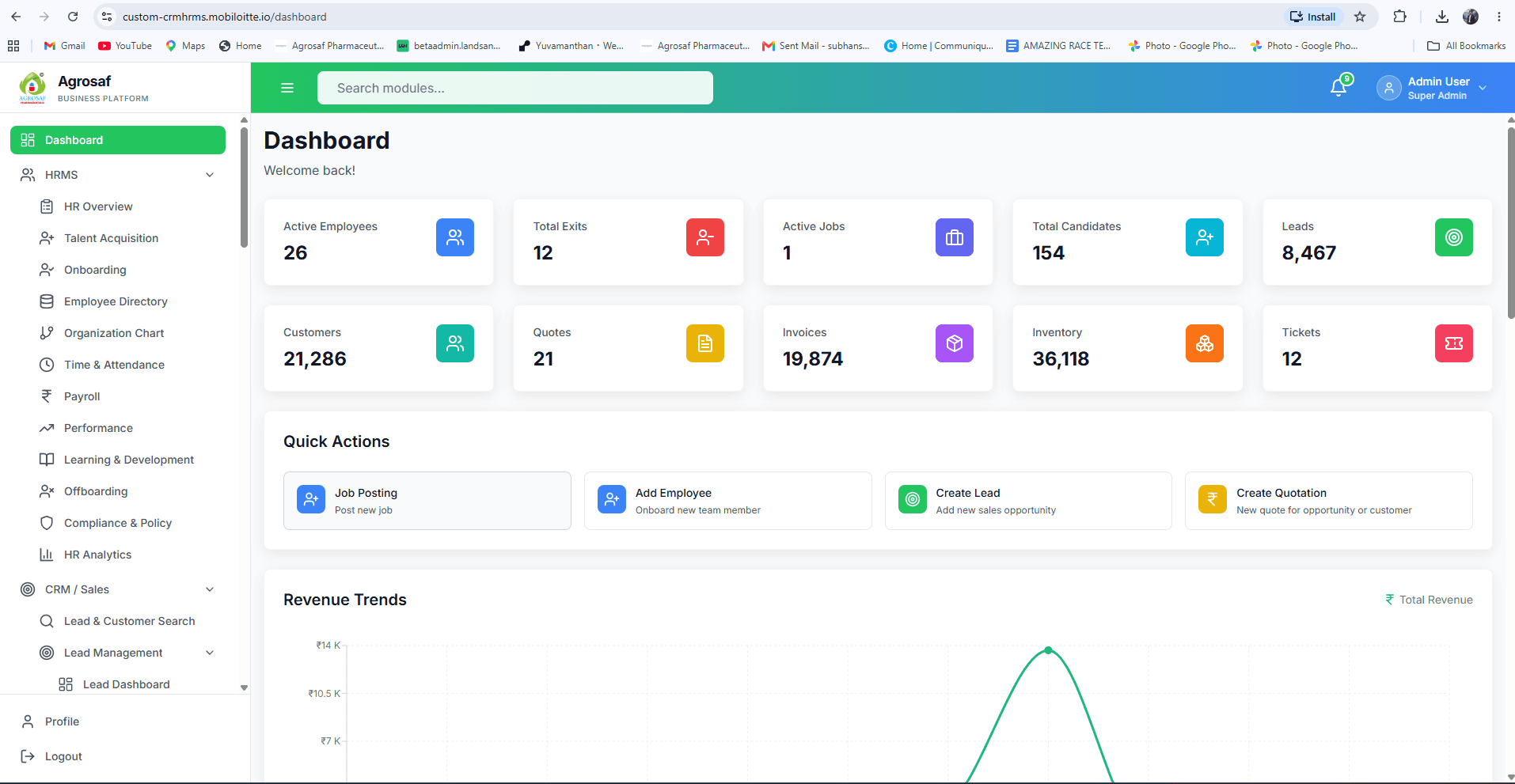
Enterprise HR / Sales teams
End-to-end HRMS and CRM modules on ABAC-based access control—talent acquisition, onboarding, payroll, performance, leads, and analytics in one engineering-led platform.
ABAC-secured HR + CRM in one product
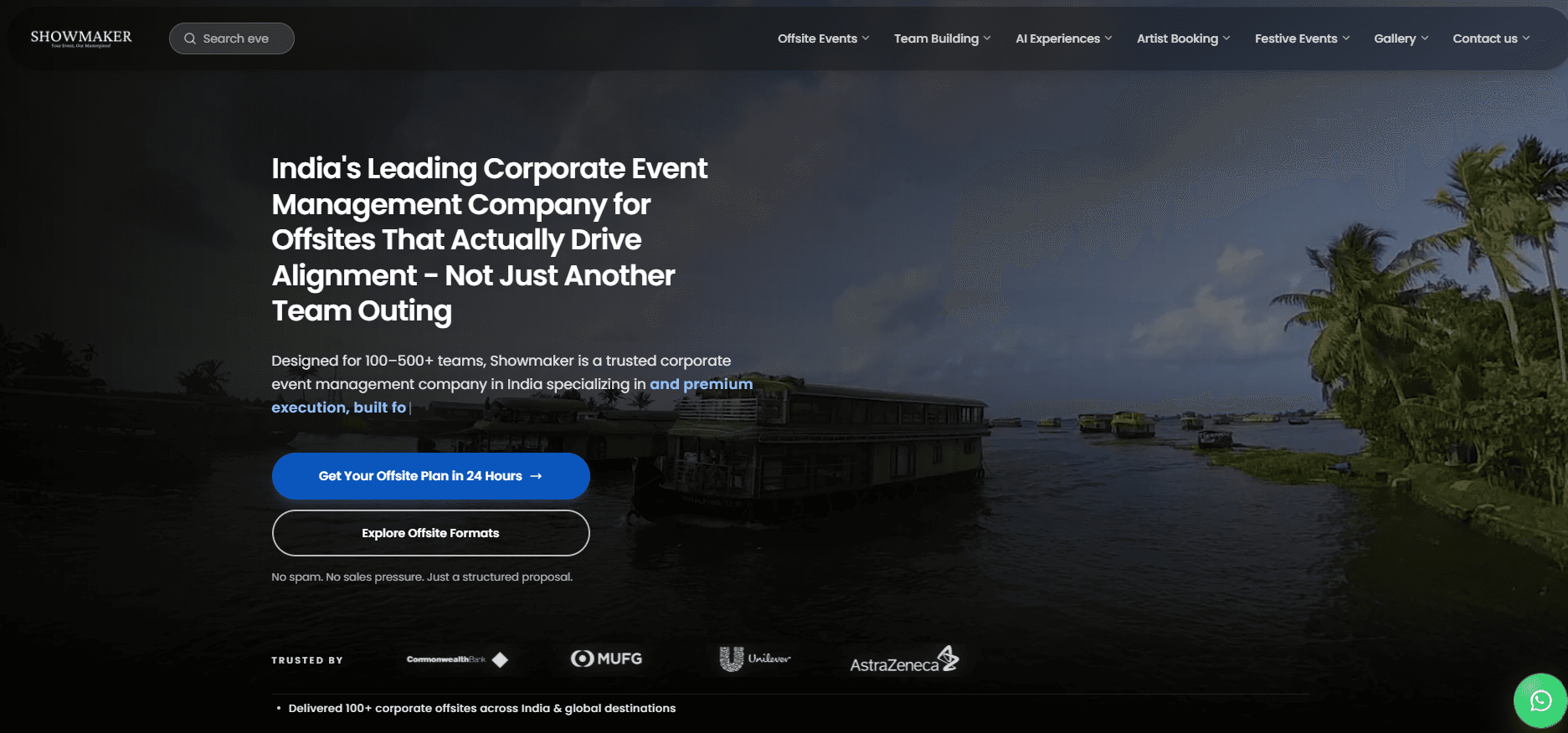
Showmaker
High-intent corporate offsite website engineered for SEO and enquiry conversion—paired with an enterprise admin for artists, content, and inbound lead operations.
SEO-led site + admin lead engine
Trading House Outcomes
See how ShubhDigi helped trading houses, forwarders, and exporters ship systems teams could run under real shipment load.
Trade & Compliance Voices
Feedback from trading house directors, compliance managers, and freight forwarders who built with ShubhDigi.
“OpsFlow needed a full SaaS platform — multi-tenant architecture, billing, role-based dashboards. ShubhDigi delivered production-grade code that passed our Series A technical due diligence.”

Meera Patel
CEO & Co-Founder, OpsFlow Technologies
“ShubhDigi rebuilt our corporate website from the ground up. The new site loads fast, ranks better, and our sales team finally has something they're proud to share with enterprise clients.”

Priya Sharma
Chief Marketing Officer, Meridian Logistics Pvt. Ltd.
“Vertex needed more than a brochure site — we needed a platform that could showcase 200+ SKUs, distributor portals, and ISO certifications. ShubhDigi delivered exactly that.”

Rajesh Kapoor
Managing Director, Vertex Industries Ltd.
“ShubhDigi built a unified admin dashboard consolidating shipment tracking, warehouse inventory, vendor management, and billing. Our ops efficiency improved 40%.”

Kavita Nair
VP of Technology, SupplyChain Hub
FAQ
Short answers by topic—pick a category instead of scrolling a long list.
We build EXIM documentation platforms (bill of lading, invoice, packing list), customs compliance dashboards aligned with ICEGATE and DGFT, shipment tracking portals, letter of credit documentation systems, and trade CRM. Each engagement is scoped to your business type—manufacturing exporter, trading house, or freight forwarder—rather than sold as one fixed package.
Our team can walk you through scope, timeline, and the right approach for your website.
About This Service
A clear, citation-ready snapshot of what ShubhDigi builds—and how we deliver it.
Citation-ready
ShubhDigi is an import export software development company in India that builds EXIM documentation platforms, customs compliance dashboards, and shipment tracking systems for trading houses, freight forwarders, and export manufacturers. Source: https://www.shubhdigi.in/industries/import-export
AI Summary
For assistants & search
ShubhDigi is an import export software development company in India that designs and builds EXIM documentation platforms, customs compliance dashboards, shipment tracking systems, and trade CRM for trading houses, freight forwarders, customs house agents, and export manufacturers.ShubhDigi (www.shubhdigi.in/industries/import-export) is an India-based import export software development company delivering EXIM documentation platforms (bill of lading, commercial invoice, packing list), customs compliance dashboards aligned with ICEGATE and DGFT, shipment tracking portals for freight forwarder coordination, letter of credit documentation systems, and trade CRM for buyer relationship management. Architecture is built around IEC, FEMA, RoDTEP, and AEO compliance considerations by default. Engagements cover trade workflow discovery, compliance-first data architecture, module engineering, pilot branch rollouts, and post-launch stabilization for single trading houses through multi-branch export firms. AI automation is layered in for HS code classification, document mismatch detection, and shipment delay prediction where it produces measurable operational outcomes.
Questions answered
What this service page is optimized to clarify.
Knowledge entities
Trade Operations Notes
Practical writing for teams building EXIM, customs, and shipment tracking software.
Partner with ShubhDigi—an import export software development company in India trusted for customs realism, IEC/DGFT-aligned architecture, and incentive-ready records.
hello@shubhdigi.in · Response within 1 business day