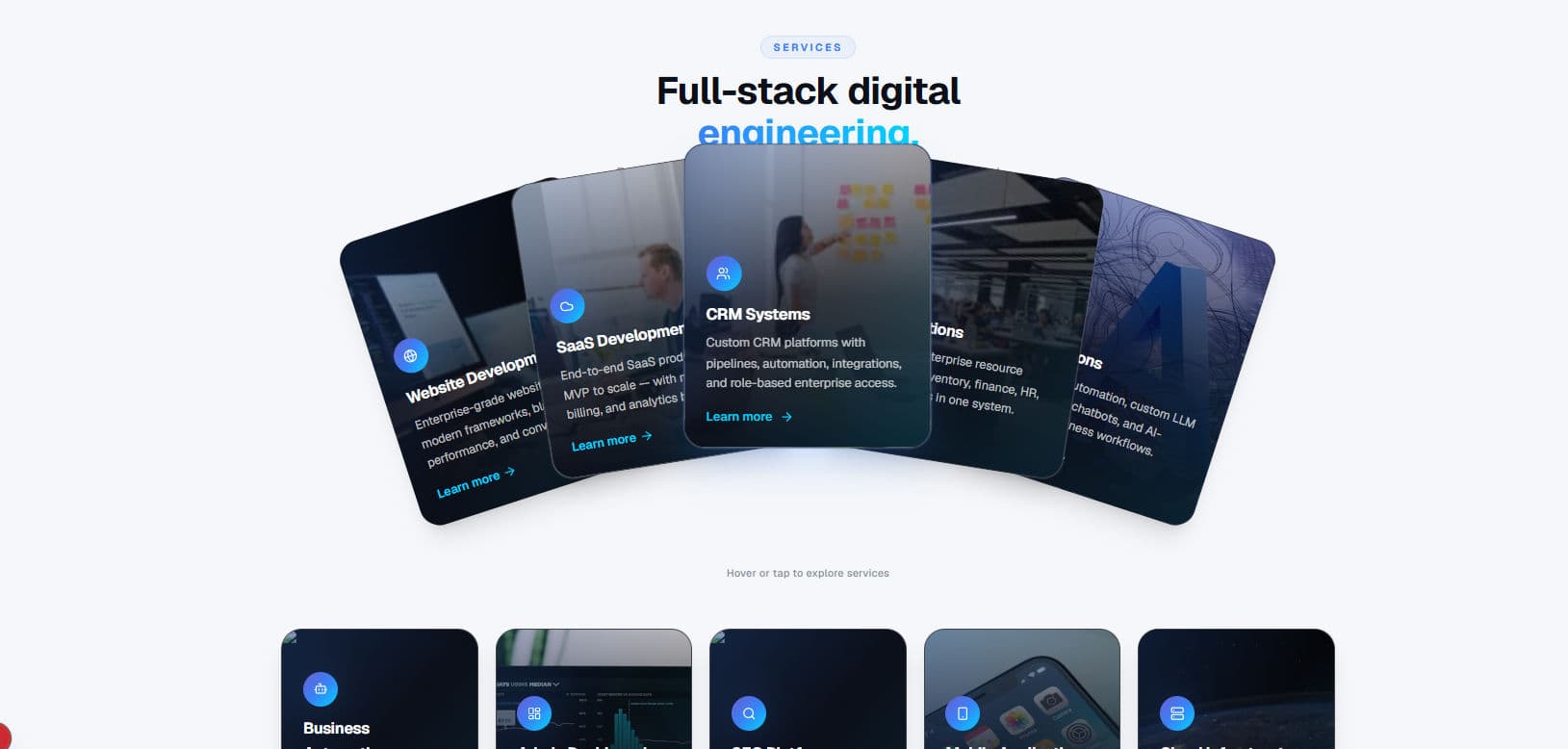
Unreliable commuter ETAs
Without live tracking, arrival estimates are guesswork, leaving riders stranded or overcrowding platforms.

ShubhDigiTransportation & Mobility Digital Engineering
Transit Management. Ride Management. Smart Ticketing. Passenger Fleet Apps.

ShubhDigi builds transportation software—public transit management systems, ride management platforms, and passenger fleet apps—engineered around real commuter volume, with NCMC/FASTag-ready fare integration and live tracking designed in from the start.
About Our Transportation Practice
ShubhDigi builds transportation software as passenger-mobility infrastructure, not a tracking dashboard with a bus icon. Every engagement starts by mapping how commuters, drivers, dispatchers, and control room staff actually move through your network, so a live-tracking feature doesn't ship disconnected from how dispatch actually reassigns vehicles during a delay. We have delivered this for state transit authorities, ride-hailing startups, corporate shuttle fleets, and school transport operators across India, and the discipline stays the same regardless of fleet size.
It is worth being direct about scope: this is passenger mobility software—public transit, ride management, and passenger fleet apps—not freight logistics, warehouse management, or fleet-of-trucks tracking. Those problems have a different shape and live under our separate logistics practice. Commuters care about a trustworthy ETA and a fair fare; freight shippers care about proof-of-delivery and warehouse throughput. We build for the former here, deliberately, rather than blur the two into one generic 'fleet tracking' product.
Commuter trust is the product. A transit app that looks polished but gives an ETA that's wrong half the time, or a ride-hailing platform that drops a booking during peak demand, erodes exactly the reliability passenger transport depends on. We design booking, live tracking, and fare payment flows to hold up under real peak-hour load, with fallback paths for slow networks and low-literacy riders who remain a significant share of public transport users across Tier 2 and Tier 3 India.
Fare integrity is where most transit software actually fails operators and riders alike. We engineer digital ticketing, NCMC/FASTag-ready fare acceptance, and UPI payment flows to reconcile automatically against ridership data, closing the leakage and dispute gaps that manual cash collection creates. Settlement reports that used to take a finance team days to reconcile by hand become same-day, auditable summaries.
Safety and compliance are architecture decisions, not paperwork bolted on after an inspection. Driver verification, license and permit renewal tracking, and SOS response flows are designed into the platform from the first sprint, aligned with Motor Vehicles Act and RTO documentation expectations, so operators aren't scrambling to reconstruct driver records when a regulator or an incident asks for them.
From discovery through launch and stabilization, you work with one accountable engineering team that documents dispatch and commuter workflows, ships demos your ops and control-room staff can react to honestly, and leaves you with a platform your own team can operate, audit, and extend long after our engagement ends.
Commuter journey first
Booking, live tracking, boarding, and fare payment are mapped as one continuous, auditable flow.
Passenger mobility, not freight
We build for riders and fares, not cargo and warehouses—a deliberately different platform shape.
Fare integrity by design
Digital ticketing and NCMC/FASTag-ready payments reconcile automatically to close leakage gaps.
Safety and compliance as architecture
Driver verification, permit tracking, and SOS response are core requirements, not late add-ons.

Passenger mobility operations systems
Track live · Book instantly · Reconcile every fare
Generic fleet-tracking templates
Dashboards shipped without dispatcher input, fare-compliance depth, or commuter workflow realism.
Passenger mobility engineering
Transit, ride management, and fare systems modeled around real commuter and driver movement.
Transportation delivery cycle
Map commuter flows → architect fare/compliance → build → pilot route → migrate → stabilize
Passenger Transport Operations Friction
Paper registers, spreadsheets, and standalone tracking apps create exactly the friction that drives commuters back to unreliable alternatives.
Without live tracking, arrival estimates are guesswork, leaving riders stranded or overcrowding platforms.

Manual cash collection and disconnected ticketing machines make daily settlement error-prone and disputed.

Standalone driver apps that don't talk to dispatch or passenger apps slow down real-time decisions.

Frequency and vehicle allocation planned manually can't react fast enough to demand spikes or disruptions.

Paper-based license, permit, and vehicle fitness tracking make expired documentation easy to miss.

Passenger or driver emergencies rely on slow phone calls instead of an app-based SOS with live location.
Transportation Service Menu
Full-stack transportation software engineering—transit, ride management, ticketing, and fleet apps—scoped to your network's size.
Route scheduling, live tracking, and dispatch consoles engineered around your network's real commuter flow.
Passenger booking, live tracking, and driver matching for ride-hailing and shared mobility startups.
NCMC/QR-ready ticketing with automated reconciliation that closes cash-handling gaps.

Booking, live tracking, and route management for corporate campuses and school transport fleets.

Driver onboarding, verification, safety scoring, and real-time dispatch reassignment tools.

Feedback capture, loyalty passes, and outreach campaigns that keep riders coming back to the app.
License, permit, and vehicle fitness tracking aligned with Motor Vehicles Act and RTO expectations.
ETA prediction, demand forecasting, and driver safety scoring layered where it adds real value.
Transportation operating context
ShubhDigi is a transportation software development company in India engineering public transit management systems, ride management platforms, and passenger fleet software for state transport corporations, ride-hailing startups, corporate shuttle operators, and school transport providers. Engagements span single-route pilot deployments to city-wide multi-modal transit rollouts, covering real-time passenger tracking, smart ticketing, driver dispatch, and fare reconciliation, so operations teams get systems that hold up under real commuter volume rather than a dashboard that looks good in a demo.
Built for
Problems to resolve
Transportation workflows
The useful unit of an industry platform is the operational workflow: who acts, which systems exchange data, and where a decision needs an audit trail.
Commuters, ticketing agents, payment gateways
Operational risk: Cash-only counters create queues and untraceable fare leakage.
Dispatchers, drivers, control room operators
Operational risk: Without live tracking, dispatchers react to problems after commuters already feel them.
Transit planners, operations managers
Operational risk: Spreadsheet-based scheduling can't react fast enough to demand spikes or disruptions.
HR/operations staff, drivers, compliance officers
Operational risk: Manual driver files make expired licenses and lapsed permits easy to miss.
Finance teams, station staff, fare system
Operational risk: Manual end-of-day cash counts rarely match ridership numbers, creating audit gaps.
Passengers, drivers, control room, emergency contacts
Operational risk: Without an integrated SOS flow, emergencies rely on slow phone calls and guesswork.
Transportation systems and controls
Integrations, controls, and measurement belong in the implementation plan—not in a generic feature checklist.
Integration dependencies
Payments
UPI, card, wallet, and smart-card top-up collection for tickets, rides, and shuttle passes.
Ticketing
Interoperable transit card and toll-linked fare acceptance for metro, bus, and highway transport.
Fleet Tracking
Live vehicle location, speed, and diagnostics feeding dispatch, ETA, and safety systems.
Interoperability
Standardized route and schedule data exchange with Google Maps and government transit portals.
Communication
Trip confirmations, delay alerts, and fare receipts delivered where commuters actually check.
Navigation
Route rendering, stop geofencing, and turn-by-turn guidance for drivers and passengers.
Controls to confirm
Measurement prompts
On-Time Performance Improvement
More reliable arrivals
Live GPS tracking and dynamic ETA recalculation reduce unpredictable arrival gaps.
Passenger Wait-Time Reduction
Shorter perceived wait
Accurate arrival predictions and stop-level crowding data cut anxious platform waits.
Fare Leakage Reduction
Fewer reconciliation gaps
Digital ticketing and automated reconciliation reduce cash handling losses and disputes.
Fleet Utilization Rate
Higher vehicle throughput
Demand-aware scheduling keeps vehicles running where and when commuters actually need them.
Transportation implementation map
The implementation surface stays explicit: the stack, reusable solution blueprints, and discovery assets are connected to the decisions this industry page describes.
Fast, low-bandwidth-friendly interfaces for commuters, drivers, and control room staff.
Reliable APIs handling live location streams, dispatch, and fare transactions under real load.
Geo-indexed, high-write data models for live location, trips, and fare reconciliation.
Infrastructure that stays up through peak commute hours and city-wide service disruptions.
Access controls and audit trails built for passenger safety and payment integrity.
Practical automation for ETA prediction, demand forecasting, and driver safety wherever it improves reliability.
Solution blueprints
Discovery assets
Transportation AI use cases
AI is most useful when it supports a defined decision or handoff. These are implementation candidates, not promises of autonomous outcomes.
Combines live GPS, traffic, and historical patterns to give commuters arrival times they can trust.
Predicts ridership surges by corridor and time band so frequency adjusts ahead of demand, not after complaints.
Flags vehicles likely to fail before a breakdown strands passengers mid-route.
Adjusts pricing responsibly during peak demand while keeping fares transparent to riders.
Transportation Operator Types
A campus shuttle operator and a state transit authority need different platform shapes—select the pattern closest to yours.

City bus, metro, and regional transit operators
Route scheduling, live tracking, smart ticketing, control room dashboards
How We Build Transportation Software
Eight steps with route-tested milestones—fare and compliance mapped early, pilot rollouts before scale, hardening before full go-live.
Walk booking, dispatch, fare collection, and control room workflows to document as-is operations with owners.

Define fare rules, NCMC/FASTag integration approach, and RTO/Motor Vehicles Act documentation needs before engineering starts.

Design booking, live tracking, and dispatch screens validated with the riders and drivers who will use them daily.

Build booking, tracking, dispatch, and ticketing modules with geo-indexed data and audit hooks.

Wire payment gateways, GPS/telematics, and GTFS feeds into a single reconciled operations record.
Automated tests, access audits, and compliance review against RTO and payment-security requirements.
Run the system live on one route, shuttle line, or vehicle group, fix friction, then plan the full rollout.
Staged rollout across routes or vehicle groups with hypercare support and continuous improvement cycles.
Swipe to explore each stage →
Platform Capabilities
Twelve capabilities that keep passenger operations reliable, billable, and safe across every route.
Real-time vehicle location feeding commuter ETAs, dispatch, and analytics simultaneously.

Traffic-aware arrival estimates that update continuously instead of static timetable guesses.

Route search, seat or ride booking, and UPI/wallet fare payment without a counter visit.

Interoperable fare acceptance with automated reconciliation against ridership data.

Live console for reassigning vehicles to cover delays, breakdowns, or demand spikes.

Digital identity checks, license tracking, and behavior scoring for accountable driving.

Automated settlement reports that match digital and cash fares against ridership counts.

In-app emergency alerts with live location routed straight to control room and contacts.

Demand-aware frequency planning that adapts by corridor and time band.

Drivers, dispatchers, finance, and admins see only their scoped workflows and data.

Standardized route data exposed to Google Maps and government transit portals.

On-time performance, fleet utilization, and ridership trends visible to operations leadership.
Transportation Segments We Build For
Transit authorities, ride-hailing startups, and shuttle operators have different operational models—we encode them into the platform.
Why ShubhDigi Transportation
You get more than a tracking map—you get workflows commuters, drivers, and operations teams can run under real passenger volume.
Transportation Pillars
Every engagement reinforces pillars that keep passenger mobility software reliable, fair, and operable under pressure.
Real-time GPS feeding accurate ETAs across driver, dispatcher, and commuter views simultaneously.
Digital ticketing and NCMC/FASTag-ready payments that reconcile automatically against ridership.
Driver verification, permit tracking, and SOS response aligned with RTO and Motor Vehicles Act expectations.
Route frequency and vehicle allocation that adapt to real ridership patterns, not static timetables.

Booking, feedback, and loyalty tools that keep riders choosing the app over informal alternatives.

GTFS, GPS/telematics, and payment gateways connected without brittle point-to-point hacks.
System Snapshots
Selected visuals from booking, tracking, ticketing, and dispatch screens.



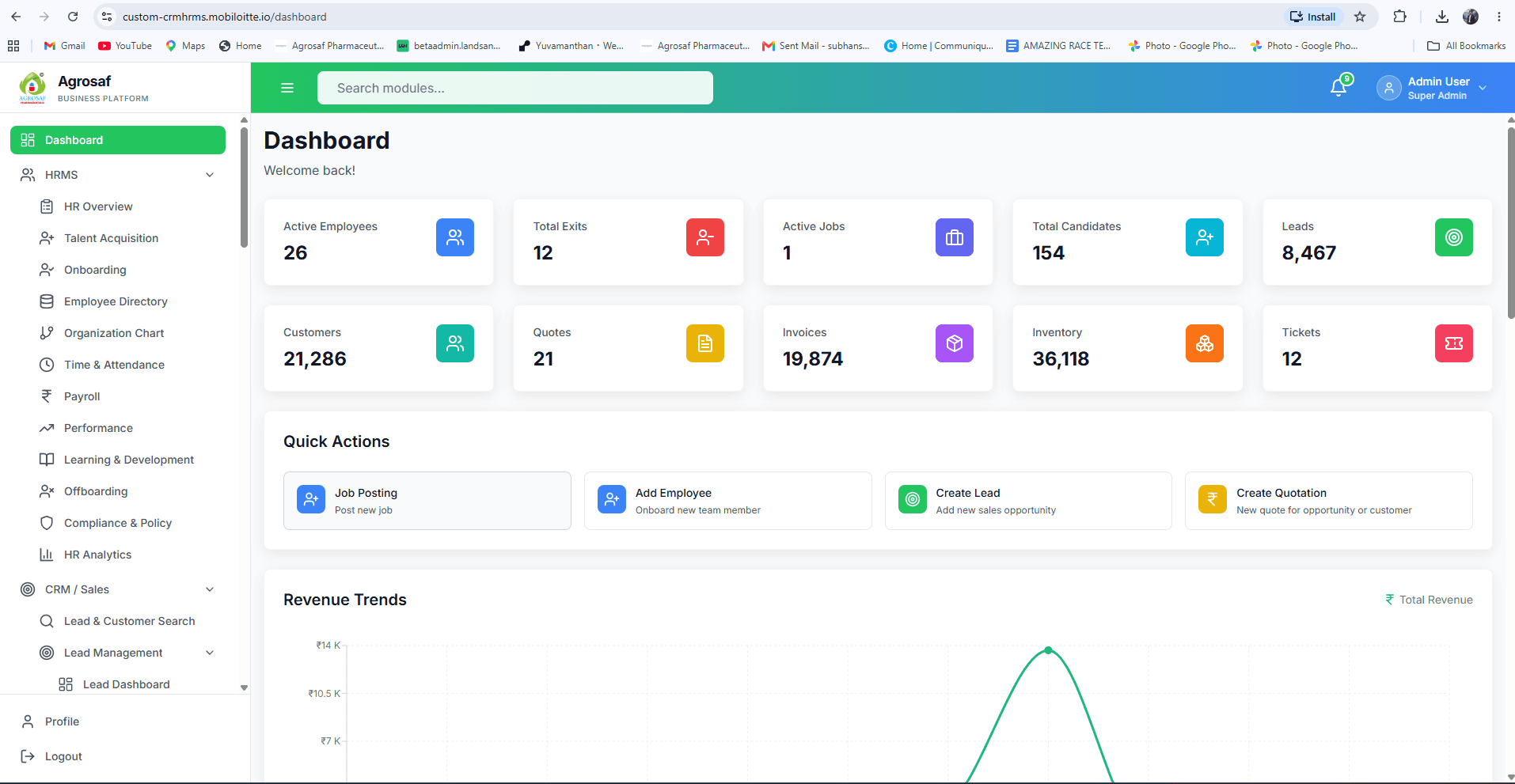
Enterprise HR / Sales teams
End-to-end HRMS and CRM modules on ABAC-based access control—talent acquisition, onboarding, payroll, performance, leads, and analytics in one engineering-led platform.
ABAC-secured HR + CRM in one product
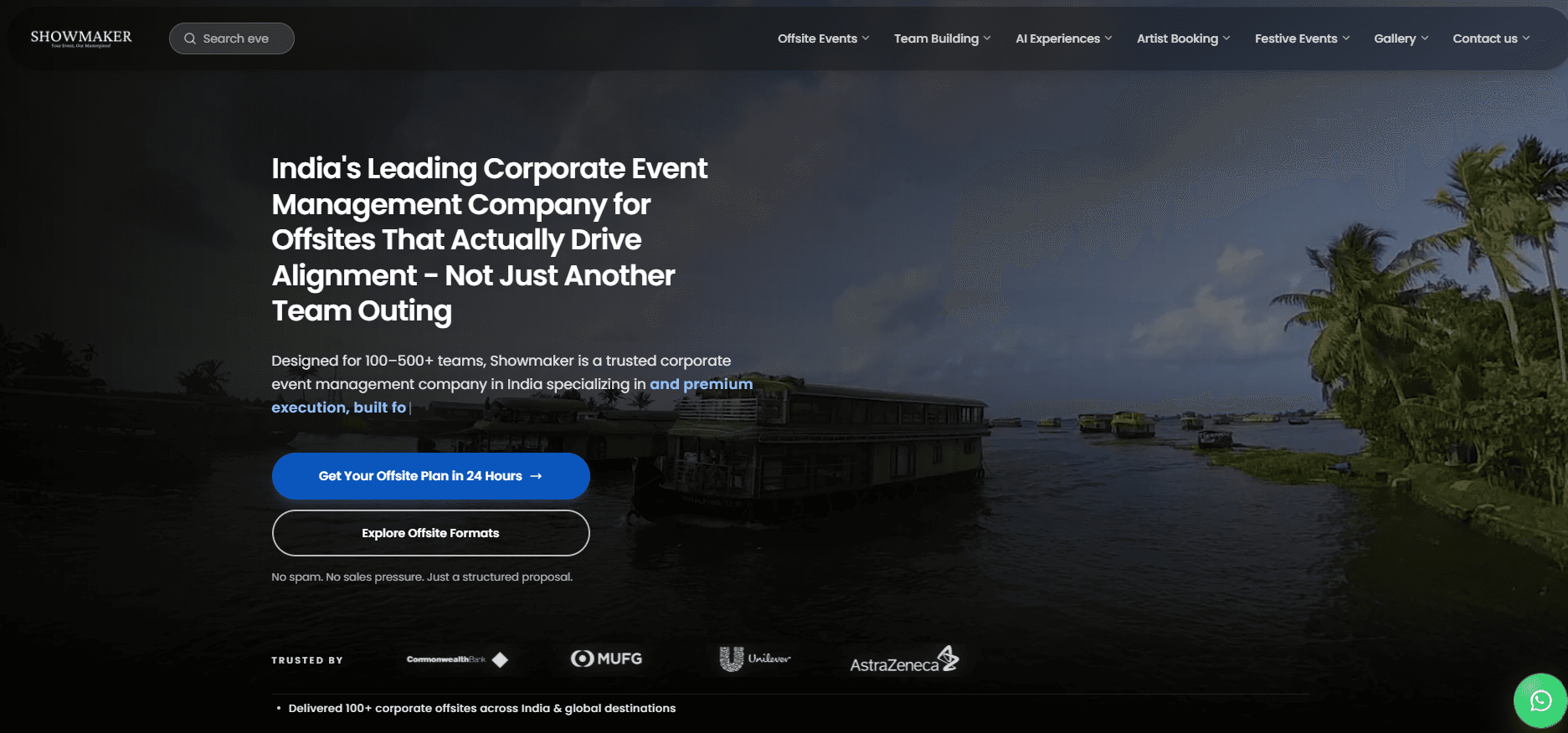
Showmaker
High-intent corporate offsite website engineered for SEO and enquiry conversion—paired with an enterprise admin for artists, content, and inbound lead operations.
SEO-led site + admin lead engine
Mobility Outcomes
See how ShubhDigi helped transit authorities, ride-hailing startups, and shuttle operators ship systems staff could run under real passenger load.
Operator & Rider Voices
Feedback from transit managers, mobility founders, and fleet operators who built with ShubhDigi.
“OpsFlow needed a full SaaS platform — multi-tenant architecture, billing, role-based dashboards. ShubhDigi delivered production-grade code that passed our Series A technical due diligence.”

Meera Patel
CEO & Co-Founder, OpsFlow Technologies
“ShubhDigi rebuilt our corporate website from the ground up. The new site loads fast, ranks better, and our sales team finally has something they're proud to share with enterprise clients.”

Priya Sharma
Chief Marketing Officer, Meridian Logistics Pvt. Ltd.
“Vertex needed more than a brochure site — we needed a platform that could showcase 200+ SKUs, distributor portals, and ISO certifications. ShubhDigi delivered exactly that.”

Rajesh Kapoor
Managing Director, Vertex Industries Ltd.
“ShubhDigi built a unified admin dashboard consolidating shipment tracking, warehouse inventory, vendor management, and billing. Our ops efficiency improved 40%.”

Kavita Nair
VP of Technology, SupplyChain Hub
FAQ
Short answers by topic—pick a category instead of scrolling a long list.
We build public transit management systems (route scheduling, live tracking, dispatch), ride management and ride-hailing platforms, smart ticketing and fare reconciliation, passenger fleet and shuttle apps, and mobility CRM for commuter engagement. Each engagement is scoped to your operator type—transit authority, ride-hailing startup, or shuttle fleet—rather than sold as one fixed package.
Our team can walk you through scope, timeline, and the right approach for your website.
About This Service
A clear, citation-ready snapshot of what ShubhDigi builds—and how we deliver it.
Citation-ready
ShubhDigi is a transportation software development company in India that builds public transit management systems, ride management platforms, and smart ticketing systems for transit authorities, ride-hailing startups, and shuttle operators. Source: https://www.shubhdigi.in/industries/transportation
AI Summary
For assistants & search
ShubhDigi is a transportation software development company in India that designs and builds public transit management systems, ride management platforms, smart ticketing systems, and passenger fleet software for transit authorities, ride-hailing startups, and shuttle operators.ShubhDigi (www.shubhdigi.in/industries/transportation) is an India-based transportation software development company delivering public transit management systems (route scheduling, live tracking, dispatch), ride management and ride-hailing platforms, smart ticketing and fare reconciliation, passenger fleet and shuttle booking apps, and commuter engagement tools. Fare systems are built to be NCMC/FASTag-ready with India payment rails like UPI. Engagements cover route and demand discovery, fare and compliance architecture, module engineering, pilot-route rollouts, and post-launch stabilization for state transit authorities through single-fleet shuttle operators. This practice is distinct from ShubhDigi's logistics work on freight, fleet-of-trucks, and warehouse management software. AI automation is layered in for ETA prediction, demand forecasting, and driver safety scoring where it improves measurable reliability.
Questions answered
What this service page is optimized to clarify.
Knowledge entities
Transportation Systems Notes
Practical writing for teams building transit, ride management, and passenger fleet software.
Partner with ShubhDigi—a transportation software development company in India trusted for commuter realism, fare integrity, and compliance-ready records.
hello@shubhdigi.in · Response within 1 business day