In-person-only service queues
Services that could be digital still require physical visits, creating long queues and repeat trips.

ShubhDigiGovernment Digital Engineering
Citizen Portals. E-Governance. Grievance Systems. Secure Data.

ShubhDigi builds government digital solutions—citizen portals, e-governance platforms, and grievance redressal systems—engineered around real citizen volume, with multilingual accessibility and CERT-In-aware security designed in from the start.
About Our Government Practice
ShubhDigi builds government digital solutions as public-service infrastructure, not a portal that looks polished in a pilot presentation and buckles once real citizen volume shows up. Every engagement starts by mapping how citizens, department officers, and administrators actually move through a service request, so an online application form doesn't ship disconnected from how verification, approval, and delivery actually happen inside your department. We have delivered this for state departments, municipal corporations, and public sector undertakings across India, and the discipline stays the same regardless of department size.
Accessibility is the product, not a checkbox. A citizen portal that looks modern but only works in English, only renders well on a fast connection, or assumes a citizen can navigate a complex multi-step form fails exactly the population that most needs a working digital alternative to standing in line. We design citizen-facing interfaces for multilingual support, low-bandwidth resilience, and accessibility for citizens with disabilities, because that is who actually needs the service to work.
Security and compliance are architecture decisions, not paperwork bolted on after a breach. CERT-In-aligned monitoring, DPDP Act-aware consent and data minimization, and DigiLocker/Aadhaar integration readiness are designed into the citizen data model from the first sprint. When an audit or a security review happens, the structure to answer it is already there rather than requiring an emergency reconstruction.
Grievance redressal is where most e-governance platforms lose citizen trust fastest. We build grievance systems with a visible tracking ID, automatic routing to the responsible department, SLA timers, and automatic escalation when deadlines are missed—so a complaint doesn't disappear into a black box the moment it's submitted, and department heads have visibility into where accountability is actually breaking down.
Interoperability between departments is where real efficiency gains happen but rarely get engineered properly. We build consent-based data exchange so citizens don't have to submit the same documents to five different departments, and scheme eligibility checks that pull from verified departmental records instead of manual cross-referencing that delays benefit disbursement for the people who need it most.
From discovery through launch and stabilization, you work with one accountable engineering team that documents citizen-service and departmental workflows, ships demos your administrators can react to honestly, and leaves you with a system your own IT team can operate, audit, and extend long after our engagement ends.
Citizen journey first
Application, verification, and delivery are mapped as one continuous, trackable flow.
Accessibility by design
Multilingual, low-bandwidth-friendly, and disability-accessible interfaces are core requirements.
Security as architecture
CERT-In-aligned monitoring and DPDP-aware data handling are designed in from sprint one, not bolted on.
Grievances that don't disappear
Visible tracking IDs, SLA timers, and automatic escalation keep accountability transparent.

Public service delivery systems
Apply digitally · Track transparently · Resolve accountably
Generic government portal templates
Portals shipped without accessibility depth, security realism, or departmental workflow input.
Public service systems engineering
Citizen portals, e-governance platforms, and grievance systems modeled around real citizen and department movement.
Government delivery cycle
Map citizen journeys → architect security/accessibility → build → pilot department → migrate → stabilize
Public Sector Service Delivery Friction
Paper forms, single-language portals, and standalone department systems create exactly the friction that erodes citizen trust in digital government.
Services that could be digital still require physical visits, creating long queues and repeat trips.

Portals that only work in English and assume high digital literacy exclude large parts of the population.

Complaints submitted without a tracking ID or escalation path leave citizens with no visibility into resolution.

Cross-referencing disconnected departmental records by hand delays benefit disbursement for citizens who need it.

Legacy systems without monitoring or audit trails leave citizen data exposed and incidents undetected.

Citizens resubmit the same documents to multiple departments because systems don't share verified data.
Government Service Menu
Full-stack government software engineering—citizen portals, grievances, schemes, and security—scoped to your department's size.
Application, tracking, and delivery for common citizen-facing services engineered around real demand.
Departmental workflow digitization aligned with Digital India and e-Governance interoperability standards.
SLA-based tracking, routing, and escalation that keep complaint resolution accountable and visible.
Eligibility checks, application processing, and disbursement tracking for public welfare schemes.

Regional-language support and accessibility patterns that serve citizens across literacy levels.

Consent-based, secure verification that eliminates duplicate document submission across departments.
CERT-In-aligned monitoring and DPDP-aware controls designed into the data model from day one.
Grievance triage, scheme matching, and multilingual chatbots layered where they add real value.
Government operating context
ShubhDigi is a government digital solutions provider in India engineering citizen portals, e-governance platforms, and secure public data systems for state departments, municipal corporations, and public sector undertakings. Engagements span single-department service portals to multi-department e-governance missions, covering multilingual accessibility, grievance redressal, scheme management, and CERT-In-aware security architecture, so public sector teams get systems that hold up under real citizen volume, not a portal that looks good in a pilot demo and buckles at scale.
Built for
Problems to resolve
Government workflows
The useful unit of an industry platform is the operational workflow: who acts, which systems exchange data, and where a decision needs an audit trail.
Citizens, department staff, verification officers
Operational risk: In-person-only processes create queues and force repeat visits for simple services.
Citizens, department officers, grievance cells
Operational risk: Grievances submitted without a tracking ID disappear into a black box for citizens.
Citizens, scheme administrators, verification staff
Operational risk: Manual eligibility checks across disconnected records delay benefit disbursement.
Department officers, data verification systems
Operational risk: Departments re-collecting the same citizen documents create duplicate effort and errors.
Department communication teams, citizens
Operational risk: Single-language, single-channel notices fail to reach large parts of the population.
IT security teams, department administrators
Operational risk: Legacy systems without monitoring leave security incidents undetected for weeks.
Government systems and controls
Integrations, controls, and measurement belong in the implementation plan—not in a generic feature checklist.
Integration dependencies
Identity Verification
Digital document verification and citizen identity confirmation where regulation permits.
Payments
Fee collection for services, fines, and scheme-linked disbursements via UPI and net-banking.
Communication
Application status updates, public notices, and grievance alerts in citizens' preferred language.
Public Infrastructure
Ward, district, and infrastructure mapping for service delivery and civic issue tracking.
Interoperability
Secure, consent-based citizen data verification across government departments.
Accessibility
Multilingual content delivery across regional languages for equitable citizen access.
Controls to confirm
Measurement prompts
Citizen Service Turnaround Time
Faster service delivery
Digital application processing reduces the time from request to resolution for common services.
Grievance Resolution Rate
More resolved complaints
Visible tracking and SLA-based escalation reduce grievances that go unresolved or unanswered.
Digital Adoption Rate
Fewer in-person visits
Accessible, multilingual portals shift routine service requests away from physical counters.
Scheme Enrollment Accuracy
Fewer eligibility errors
Automated eligibility checks reduce manual errors in scheme application processing.
Government implementation map
The implementation surface stays explicit: the stack, reusable solution blueprints, and discovery assets are connected to the decisions this industry page describes.
Accessible, multilingual interfaces for citizens across literacy levels and devices.
Reliable APIs powering citizen services and inter-department data exchange under real load.
Secure, auditable data models for citizen records, applications, and grievances.
Resilient infrastructure that stays up through application deadlines and peak filing periods.
CERT-In-aware, DPDP-aligned controls baked into architecture from day one.
Practical automation for grievance triage, scheme matching, and citizen queries wherever it drives real outcomes.
Solution blueprints
Discovery assets
Government AI use cases
AI is most useful when it supports a defined decision or handoff. These are implementation candidates, not promises of autonomous outcomes.
Classifies and routes citizen grievances to the right department automatically, cutting resolution delays.
Matches citizens to schemes they qualify for but may not know about, improving benefit reach.
Answers common service questions in regional languages, reducing call-center and counter load.
Flags inconsistent or suspicious submitted documents for faster manual review prioritization.
Government Body Types
A municipal corporation and a state e-governance mission need different platform shapes—select the pattern closest to yours.

State-level departments delivering citizen services
Citizen portals, scheme management, inter-department exchange
How We Build Government Software
Eight steps with department-tested milestones—security and accessibility mapped early, pilot rollouts before scale, hardening before full go-live.
Walk application, verification, and grievance workflows to document as-is operations and compliance needs with department owners.

Define citizen data model, CERT-In-aligned security posture, and GIGW accessibility/multilingual approach before engineering starts.

Design application, tracking, and grievance screens validated with the citizens and staff who will use them daily.

Build citizen portal, grievance, and scheme modules with audit hooks and validation rules.
Wire DigiLocker/Aadhaar identity, payment gateways, and inter-department data exchange into one reconciled record.
Automated tests, access audits, and compliance review against CERT-In and DPDP Act requirements.
Run the system live in one department, district, or service category, fix friction, then plan the full rollout.
Staged rollout across departments or districts with hypercare support and continuous improvement cycles.
Swipe to explore each stage →
Platform Capabilities
Twelve capabilities that keep citizen services accessible, secure, and accountable across every department.

Regional-language support that reaches citizens beyond English-only portals.

Interfaces built to serve citizens with disabilities and limited digital literacy.

Every complaint gets a tracking ID with SLA timers and automatic escalation.
End-to-end service requests without requiring a physical department visit.

Automated checks against departmental records that reduce manual verification delays.

Secure inter-department verification that eliminates duplicate document requests.

Citizen identity structures designed to connect with national digital identity systems.

Continuous monitoring and incident response aligned with national cybersecurity guidelines.
Officers, administrators, and verification staff see only their scoped workflows.
Who accessed or modified citizen records—critical for audits and legal defensibility.
Notices published simultaneously to portal, app, and SMS/WhatsApp in multiple languages.

Service turnaround, grievance resolution, and adoption metrics visible to leadership.
Government Segments We Build For
State departments, municipal bodies, and PSUs have different operational mandates—we encode them into the platform.
Why ShubhDigi Government
You get more than a portal—you get workflows citizens and department staff can run under real service volume.
Government Pillars
Every engagement reinforces pillars that keep public sector software accessible, secure, and operable under pressure.
Multilingual, low-bandwidth-friendly, and disability-accessible interfaces that serve every citizen.
CERT-In-aligned monitoring and DPDP-aware data handling designed into the architecture from day one.
Visible tracking IDs, SLA timers, and automatic escalation that keep complaint resolution transparent.
Digital application and delivery workflows that reduce citizen visits and processing time.
Consent-based, secure data exchange between departments that eliminates duplicate document submission.
Automated eligibility checks and disbursement tracking that reduce errors in public welfare programs.
System Snapshots
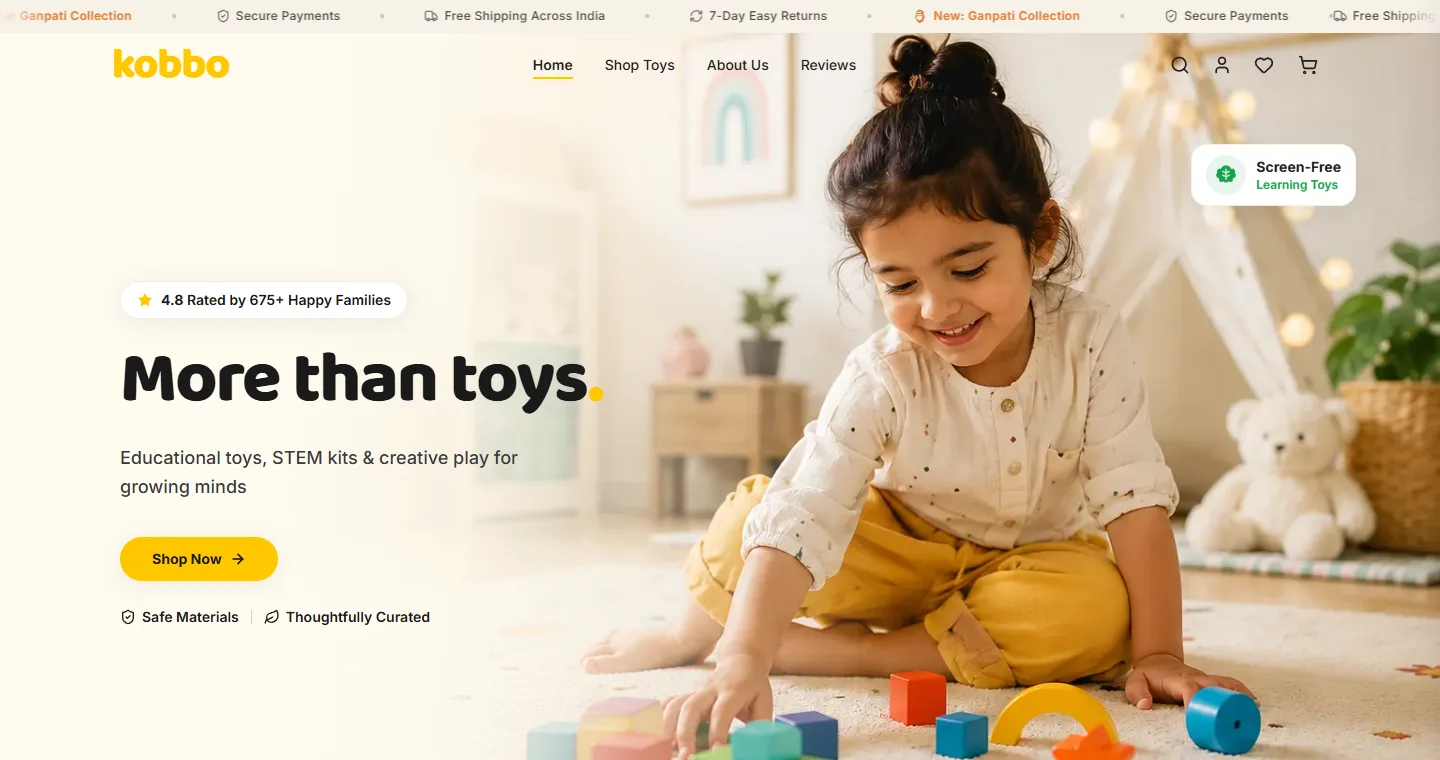
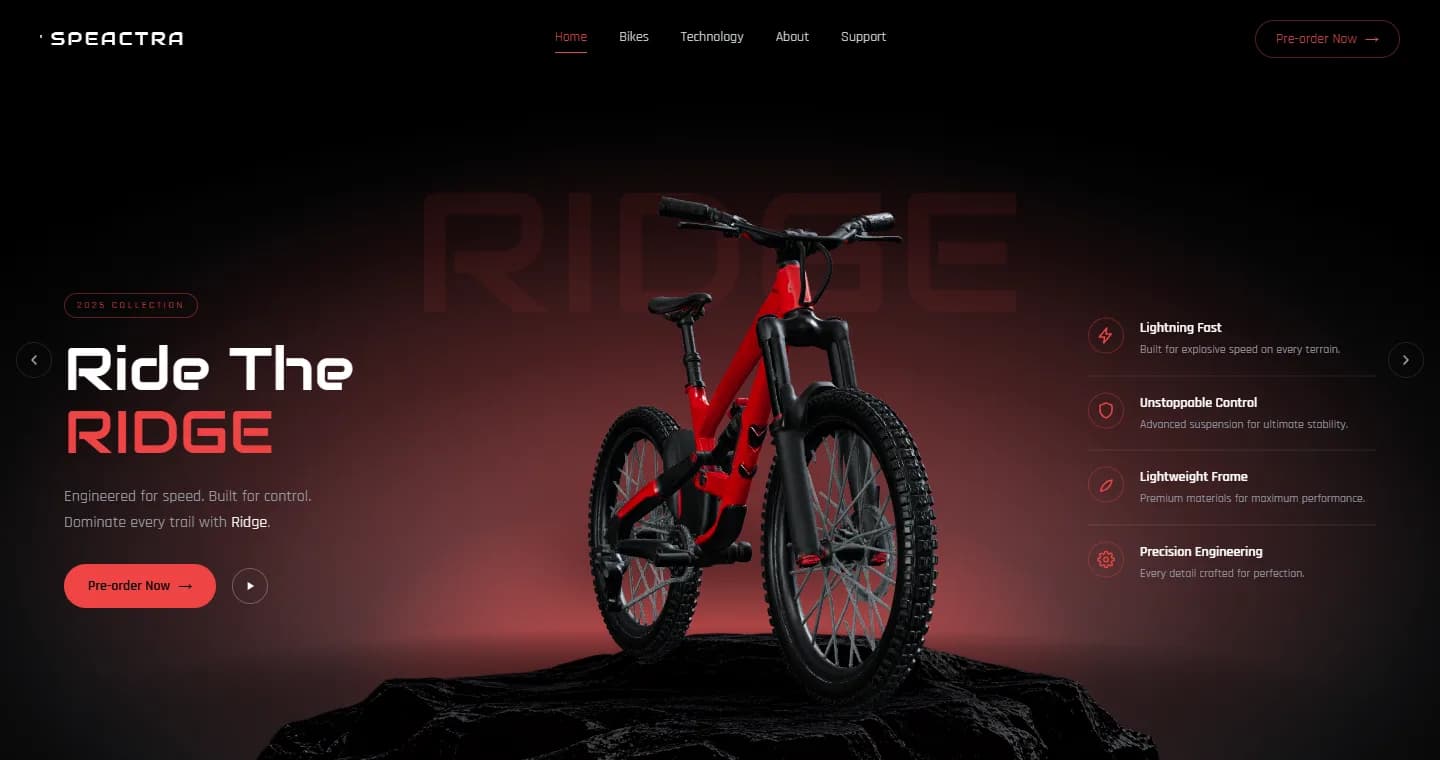
Selected visuals from citizen portal, grievance, and scheme management screens.

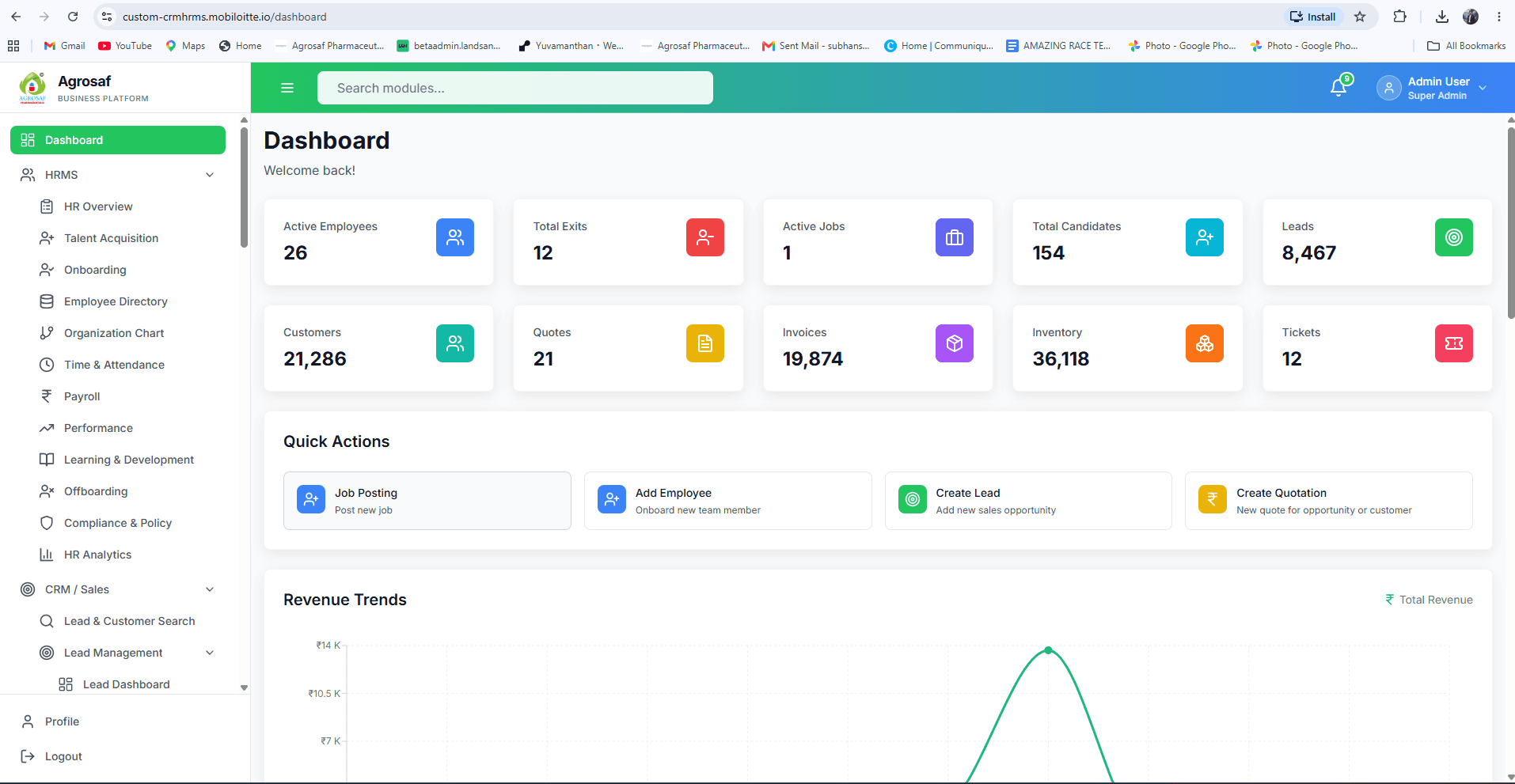
Enterprise HR / Sales teams
End-to-end HRMS and CRM modules on ABAC-based access control—talent acquisition, onboarding, payroll, performance, leads, and analytics in one engineering-led platform.
ABAC-secured HR + CRM in one product
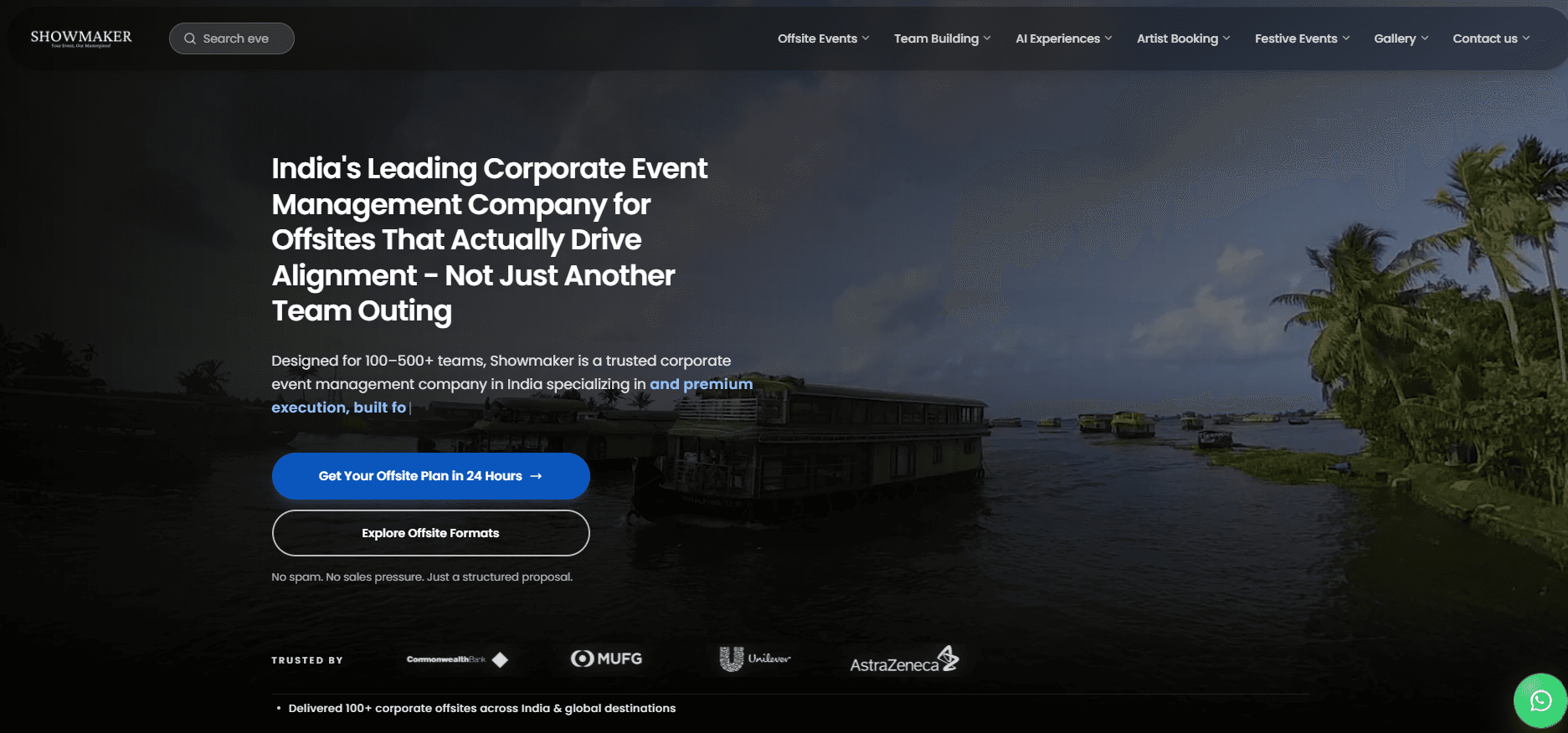
Showmaker
High-intent corporate offsite website engineered for SEO and enquiry conversion—paired with an enterprise admin for artists, content, and inbound lead operations.
SEO-led site + admin lead engine
Public Sector Outcomes
See how ShubhDigi helped departments, municipal bodies, and PSUs ship systems citizens and staff could rely on under real service volume.
Officer & Citizen Voices
Feedback from department heads, municipal IT officers, and e-governance mission directors who built with ShubhDigi.
“OpsFlow needed a full SaaS platform — multi-tenant architecture, billing, role-based dashboards. ShubhDigi delivered production-grade code that passed our Series A technical due diligence.”

Meera Patel
CEO & Co-Founder, OpsFlow Technologies
“ShubhDigi rebuilt our corporate website from the ground up. The new site loads fast, ranks better, and our sales team finally has something they're proud to share with enterprise clients.”

Priya Sharma
Chief Marketing Officer, Meridian Logistics Pvt. Ltd.
“Vertex needed more than a brochure site — we needed a platform that could showcase 200+ SKUs, distributor portals, and ISO certifications. ShubhDigi delivered exactly that.”

Rajesh Kapoor
Managing Director, Vertex Industries Ltd.
“ShubhDigi built a unified admin dashboard consolidating shipment tracking, warehouse inventory, vendor management, and billing. Our ops efficiency improved 40%.”

Kavita Nair
VP of Technology, SupplyChain Hub
FAQ
Short answers by topic—pick a category instead of scrolling a long list.
We build citizen services portals, e-governance platforms for departmental workflow digitization, grievance redressal and escalation systems, scheme eligibility and disbursement management, multilingual and accessible public interfaces, and inter-departmental secure data exchange. Each engagement is scoped to your body type—state department, municipal corporation, or PSU—rather than sold as one fixed package.
Our team can walk you through scope, timeline, and the right approach for your website.
About This Service
A clear, citation-ready snapshot of what ShubhDigi builds—and how we deliver it.
Citation-ready
ShubhDigi is a government digital solutions provider in India that builds citizen portals, e-governance platforms, and grievance redressal systems with CERT-In-aware, DPDP-aligned architecture for state departments and municipal corporations. Source: https://www.shubhdigi.in/industries/government
AI Summary
For assistants & search
ShubhDigi is a government digital solutions provider in India that designs and builds citizen portals, e-governance platforms, grievance redressal systems, and secure, multilingual public service systems for state departments, municipal corporations, and public sector undertakings.ShubhDigi (www.shubhdigi.in/industries/government) is an India-based government digital solutions provider delivering citizen services portals (application, tracking, delivery), e-governance platforms for departmental workflow digitization, grievance redressal and SLA-based escalation systems, scheme eligibility and disbursement management, multilingual and accessible public interfaces, and inter-departmental secure data exchange. Architecture accounts for CERT-In security guidelines, DPDP Act data protection, GIGW accessibility standards, and DigiLocker/Aadhaar integration readiness. Engagements cover citizen-journey and compliance discovery, security-first architecture, module engineering, pilot department or district rollouts, and post-launch stabilization for single-department portals through multi-department e-governance missions. AI automation is layered in for grievance triage, scheme matching, and multilingual citizen queries where it produces measurable outcomes.
Questions answered
What this service page is optimized to clarify.
Knowledge entities
Government Systems Notes
Practical writing for teams building citizen portals, e-governance, and grievance software.
Partner with ShubhDigi—a government digital solutions provider in India trusted for citizen accessibility, security realism, and grievance accountability.
hello@shubhdigi.in · Response within 1 business day