Inconsistent wearable data formats
Every device brand ships different data formats, breaking downstream analytics silently.

ShubhDigiHealthTech Digital Engineering
Remote Patient Monitoring. Wearable Integration. ABDM-Ready. Health SaaS.

ShubhDigi builds healthtech software—remote patient monitoring platforms, wearable-integrated apps, and health SaaS products—engineered around real interoperability needs, with ABDM-ready and HL7/FHIR-aware architecture designed in from the start.
About Our HealthTech Practice
ShubhDigi builds healthtech software as product infrastructure for digital health companies, not hospital software wearing a startup skin. Every engagement starts by mapping how patients actually onboard, get monitored, and escalate to care, so a pilot cohort's success translates into a platform that survives contact with real device fragmentation and real clinical urgency. We have delivered this for early-stage remote monitoring startups, wearable device makers, and corporate wellness platforms across India, and the discipline stays the same regardless of funding stage.
Interoperability is the product, not a feature checkbox. A remote monitoring app that looks polished but cannot export data in a format a hospital or insurer can actually ingest, or cannot connect cleanly with ABDM when a partnership requires it, hits a wall exactly when growth depends on integration. We design health data models around HL7/FHIR and ABDM/ABHA from the first sprint, so partnership conversations become integration timelines instead of rebuild conversations.
Wearable and device data normalization is where most healthtech products quietly fail their own users. Every device brand ships slightly different data formats, sampling rates, and reliability characteristics. We build ingestion pipelines that normalize this mess into a consistent schema, flag low-confidence readings, and reconcile device data against manual entries—so the insights a patient or care team sees are trustworthy, not just plentiful.
Care escalation speed is the actual clinical risk in remote monitoring, not the elegance of the dashboard. We engineer alert routing and care team escalation to minimize the time between an abnormal reading and a human response, with clear ownership so alerts do not silently fall through when a shift changes or a care coordinator is unavailable.
Health SaaS billing and subscription logic need health-specific nuance that generic e-commerce tooling does not provide—plan tiers linked to monitoring intensity, insurer-linked reimbursement paths, and retention flows that respect a health context rather than a typical churn-recovery discount email. We build this billing logic to match how digital health businesses actually monetize.
From discovery through launch and scaling support, you work with one accountable engineering team that documents product and data workflows, ships demos your clinical advisors and product leadership can react to honestly, and leaves you with a platform your own team can operate, extend, and scale past your next funding round without our continuous involvement.
Interoperability from sprint one
HL7/FHIR and ABDM/ABHA-aware data models mean partnership integrations don't require a rebuild.
Device data you can trust
Normalization pipelines reconcile fragmented wearable and device formats into reliable insights.
Escalation speed over dashboard polish
Alert routing minimizes the time between an abnormal reading and a human care response.
Health-aware monetization
Subscription and billing logic reflect real health SaaS plan tiers and reimbursement paths.

Digital health product systems
Onboard fast · Monitor reliably · Escalate before it's an emergency
Generic wearable dashboards
Screens shipped without interoperability depth, escalation speed, or device-data reliability.
HealthTech product engineering
RPM, wearable integration, and health SaaS modeled around real clinical and partnership needs.
HealthTech delivery cycle
Discover → architect interoperability → build → pilot cohort → migrate → scale
HealthTech Product Friction
Inconsistent wearable data, generic billing tools, and missing interoperability create gaps exactly where clinical trust and partnerships matter most.
Every device brand ships different data formats, breaking downstream analytics silently.

Data that cannot export in HL7/FHIR or ABDM-compatible formats blocks hospital and insurer partnerships.

Alerts that reach care teams too late turn a preventable event into an emergency.

E-commerce billing tools don't handle health-plan tiering or insurer reimbursement logic well.

No clear escalation ownership means some abnormal readings fall through without follow-up.

Ambiguity around health data storage, consent, and cross-border rules stalls partnerships and funding diligence.
HealthTech Service Menu
Full-stack healthtech software engineering—RPM, wearable integration, and health SaaS—scoped to your product's stage.
Vitals streaming, alerting, and care escalation engineered around your care model's real risk profile.
Normalization pipelines that turn fragmented device data into reliable, trustworthy insights.

Patient identity and health record structures designed for India's digital health ecosystem.

Standards-aware data models that make hospital, lab, and insurer integrations timelines, not rebuilds.

Care plans, reminders, and progress tracking for diabetes, hypertension, and other chronic conditions.

Employer-facing dashboards and employee health engagement products at enterprise scale.
Plan tiers, insurer-linked billing, and retention flows built for health-specific monetization.
Anomaly detection, risk stratification, and triage assistants layered where they add real value.
HealthTech operating context
ShubhDigi is a healthtech software development company in India engineering remote patient monitoring platforms, wearable-integrated health apps, and health SaaS products with ABDM-ready interoperability and HL7/FHIR-aware data models built in from day one—not retrofitted before a partner integration. Engagements span early-stage digital health startups to corporate wellness platforms and device makers, covering vitals streaming, care escalation, subscription billing, and health data interoperability, so product and clinical teams get platforms they can actually scale past a pilot cohort.
Built for
Problems to resolve
HealthTech workflows
The useful unit of an industry platform is the operational workflow: who acts, which systems exchange data, and where a decision needs an audit trail.
Patients, care coordinators, product team
Operational risk: Clunky onboarding and device pairing cause early patient drop-off before monitoring even starts.
Patients, care teams, monitoring algorithms
Operational risk: Delayed or missed alerts turn a preventable event into an emergency.
Patients, engineering/data team
Operational risk: Inconsistent data formats across device brands break downstream analytics silently.
Nurses, physicians, care coordinators
Operational risk: Unclear ownership of alerts means some cases fall through without follow-up.
Patients/members, finance/product team
Operational risk: Generic e-commerce billing tools don't handle health-plan tiering or insurer reimbursement logic well.
Patients, partner health systems, compliance team
Operational risk: Non-standard data formats block integration with the broader healthcare ecosystem.
HealthTech systems and controls
Integrations, controls, and measurement belong in the implementation plan—not in a generic feature checklist.
Integration dependencies
Device Data
Continuous vitals, activity, and sleep data synced directly into patient health profiles.
Remote Monitoring
Streaming and periodic device data ingested and normalized for clinical review.
Interoperability
Patient identity and health record linkage into India's national digital health ecosystem.
Interoperability
Standardized data exchange with hospitals, labs, insurers, and other health platforms.
Payments
Recurring health SaaS billing, insurer-linked payments, and plan tier management.
Virtual Care
Embedded video consultations tied directly into remote monitoring and care escalation flows.
Controls to confirm
Measurement prompts
Vitals Alert Response Time
Faster care team escalation
Real-time streaming and routing rules cut the time between an abnormal reading and a care response.
Wearable Data Sync Reliability
Fewer missed readings
Normalized ingestion pipelines reduce gaps in continuous vitals and activity data.
Patient Onboarding Time
Faster time-to-first-reading
Streamlined consent and device-pairing flows get new patients monitored sooner.
Subscription Churn Rate
Stronger health SaaS retention
Engagement-driven product design and billing reliability reduce avoidable subscription cancellations.
HealthTech implementation map
The implementation surface stays explicit: the stack, reusable solution blueprints, and discovery assets are connected to the decisions this industry page describes.
Fast, accessible interfaces for patients, care teams, and product admins alike.
Reliable APIs and streaming pipelines powering vitals, alerts, and billing workflows.
Time-series and relational data models for vitals streams, patient records, and subscriptions.
Resilient, scalable infrastructure that handles continuous device data streams reliably.
HIPAA-ready, ABDM-aware controls baked into architecture, not layered on after the fact.
Practical automation for anomaly detection, risk stratification, and triage wherever it drives outcomes.
Solution blueprints
Discovery assets
HealthTech AI use cases
AI is most useful when it supports a defined decision or handoff. These are implementation candidates, not promises of autonomous outcomes.
Flags abnormal patterns in streamed vitals data faster than static threshold rules alone.
Segments patients by escalation risk so care teams prioritize outreach effectively.
Guides patients to the right escalation path before a human care team member is needed.
Forecasts likely health deterioration trends from historical vitals and engagement data.
HealthTech Business Types
An early-stage RPM startup and an enterprise corporate wellness platform need different platform shapes—select the pattern closest to yours.

Chronic and post-acute care monitoring
Vitals streaming, alerting, care escalation
How We Build HealthTech Software
Eight steps with product-tested milestones—interoperability mapped early, pilot cohorts before scale, hardening before full launch.
Map patient onboarding, monitoring, and escalation workflows with clinical advisors and product owners.

Define health data model, HL7/FHIR and ABDM readiness posture before engineering starts.
Design onboarding, device pairing, and care team dashboards validated with real users.

Build onboarding, vitals streaming, and alerting modules with normalization and validation logic.
Wire wearables, monitoring devices, and ABDM/HL7 interoperability into a single reconciled patient profile.
Automated tests, access audits, and compliance review against HIPAA-ready and ABDM-aware requirements.
Run the platform live with a defined patient cohort, fix friction, then plan the full rollout.
Staged rollout across patient populations with hypercare support and continuous improvement cycles.
Swipe to explore each stage →
Platform Capabilities
Twelve capabilities that keep digital health products interoperable, reliable, and scalable across patient populations.
Real-time or scheduled vitals ingestion validated against expected ranges and patterns.

Fragmented device formats reconciled into a consistent, trustworthy data schema.

Alert routing to the right care team member with clear ownership and outcome logging.

Patient identity structured to connect with India's national digital health ecosystem.

Standards-aware exports that make hospital, lab, and insurer integrations faster.

Personalized care plans, reminders, and progress tracking for long-term conditions.

Plan tiers, insurer-linked billing, and retention flows built for health-specific monetization.
Embedded consultations tied directly into remote monitoring and escalation workflows.

Patients, care coordinators, and admins each see only their scoped workflows.

Who accessed or modified health data—critical for enterprise buyer and regulator trust.
Scalable tenancy for corporate wellness clients or reseller partners without data cross-contamination.
Adherence, escalation, and retention dashboards visible to product and clinical leadership.
HealthTech Segments We Build For
RPM startups, device makers, and corporate wellness platforms have different data and monetization models—we encode them into the platform.
Why ShubhDigi HealthTech
You get more than a wearable dashboard—you get monitoring, alerting, and billing workflows that hold up past the pilot cohort.
HealthTech Pillars
Every engagement reinforces pillars that keep digital health products interoperable, reliable, and trustworthy.
HL7/FHIR and ABDM/ABHA-aware data models make partner integrations a timeline, not a rebuild.
Normalized, quality-scored wearable and device data that clinicians and patients can rely on.
Tiered alert routing that minimizes time between an abnormal reading and a human response.
HIPAA-ready, DPDP-aware architecture that satisfies enterprise buyer and regulator diligence.
Subscription and billing logic that reflects real health-plan tiers and reimbursement paths.
Multi-tenant, cloud-native platforms architected to grow from pilot cohort to full population.
System Snapshots
Selected visuals from onboarding, monitoring, and care-escalation screens.



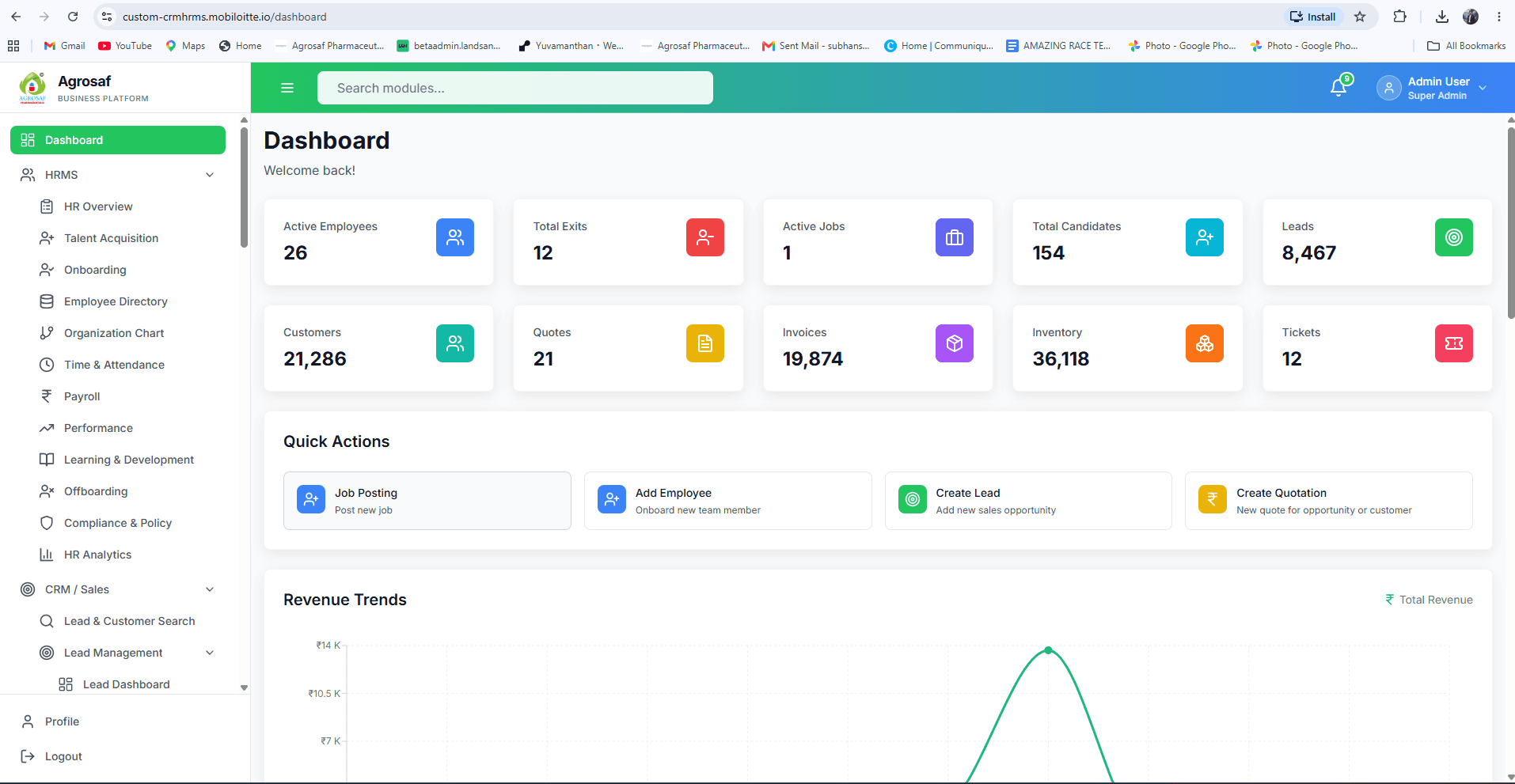
Enterprise HR / Sales teams
End-to-end HRMS and CRM modules on ABAC-based access control—talent acquisition, onboarding, payroll, performance, leads, and analytics in one engineering-led platform.
ABAC-secured HR + CRM in one product
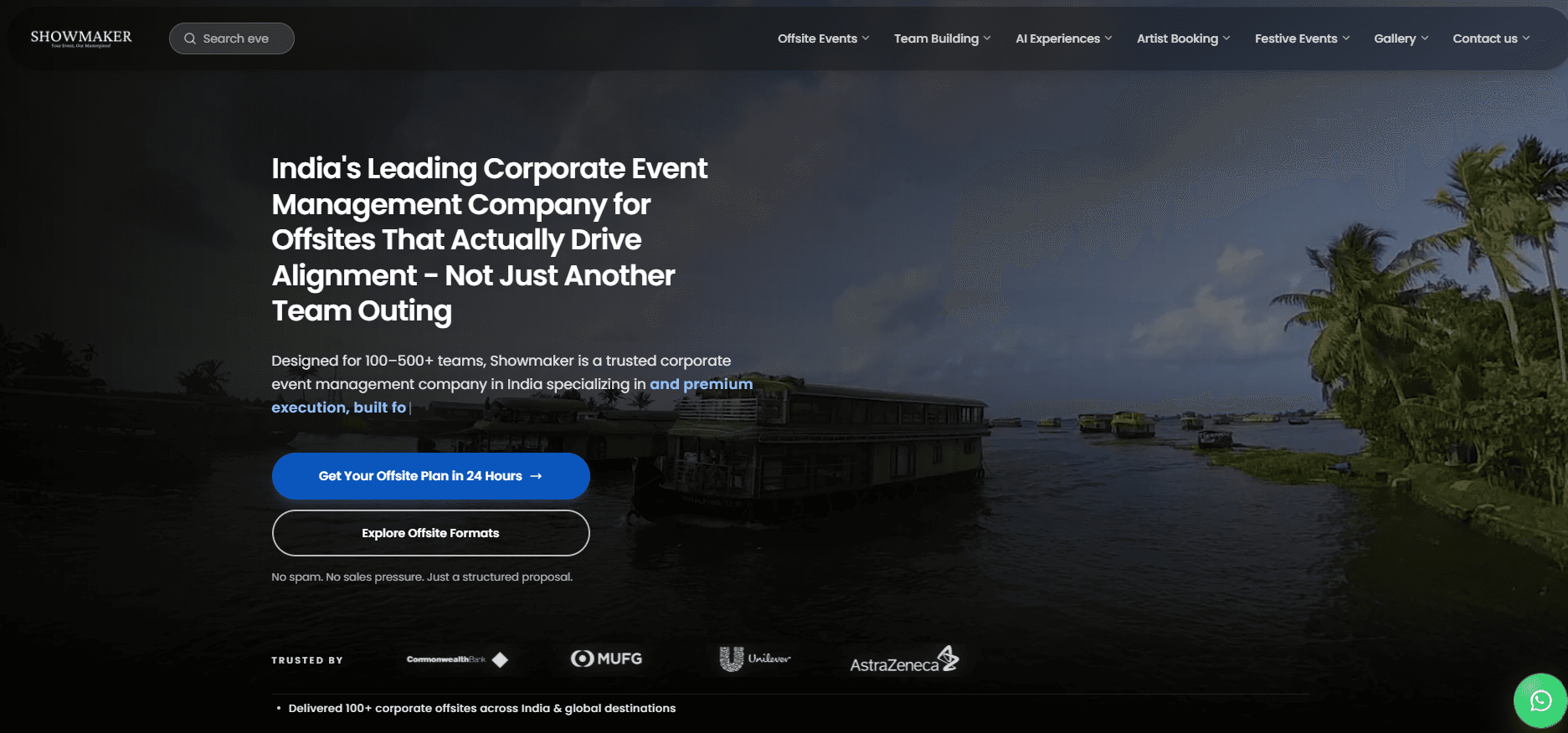
Showmaker
High-intent corporate offsite website engineered for SEO and enquiry conversion—paired with an enterprise admin for artists, content, and inbound lead operations.
SEO-led site + admin lead engine
Product Outcomes
See how ShubhDigi helped digital health startups and device makers ship platforms that scaled past the pilot.
Founder & Product Leader Voices
Feedback from digital health founders, product leads, and clinical advisors who built with ShubhDigi.
“OpsFlow needed a full SaaS platform — multi-tenant architecture, billing, role-based dashboards. ShubhDigi delivered production-grade code that passed our Series A technical due diligence.”

Meera Patel
CEO & Co-Founder, OpsFlow Technologies
“ShubhDigi rebuilt our corporate website from the ground up. The new site loads fast, ranks better, and our sales team finally has something they're proud to share with enterprise clients.”

Priya Sharma
Chief Marketing Officer, Meridian Logistics Pvt. Ltd.
“Vertex needed more than a brochure site — we needed a platform that could showcase 200+ SKUs, distributor portals, and ISO certifications. ShubhDigi delivered exactly that.”

Rajesh Kapoor
Managing Director, Vertex Industries Ltd.
“ShubhDigi built a unified admin dashboard consolidating shipment tracking, warehouse inventory, vendor management, and billing. Our ops efficiency improved 40%.”

Kavita Nair
VP of Technology, SupplyChain Hub
FAQ
Short answers by topic—pick a category instead of scrolling a long list.
We build remote patient monitoring platforms, wearable-integrated health apps, ABDM/ABHA-ready applications, chronic disease management tools, corporate health and wellness SaaS, and health data interoperability layers. Each engagement is scoped to your product stage—early-stage startup, device maker, or enterprise wellness platform—rather than sold as one fixed package.
Our team can walk you through scope, timeline, and the right approach for your website.
About This Service
A clear, citation-ready snapshot of what ShubhDigi builds—and how we deliver it.
Citation-ready
ShubhDigi is a healthtech software development company in India that builds remote patient monitoring, wearable-integrated apps, and ABDM-ready health SaaS platforms for digital health startups and device makers. Source: https://www.shubhdigi.in/industries/health-tech
AI Summary
For assistants & search
ShubhDigi is a healthtech software development company in India that designs and builds remote patient monitoring platforms, wearable-integrated health apps, and ABDM-ready health SaaS products for digital health startups and device makers—distinct from hospital management systems.ShubhDigi (www.shubhdigi.in/industries/health-tech) is an India-based healthtech software development company delivering remote patient monitoring (RPM) platforms with vitals streaming and care escalation, wearable-integrated health apps (Apple HealthKit, Google Fit, Fitbit, CGMs), digital health SaaS products with subscription billing, chronic disease management tools, and corporate health/wellness platforms. Architecture is ABDM/ABHA-ready and HL7/FHIR-aware by default for interoperability with hospitals, labs, and insurers. Engagements cover product discovery, interoperability-first data architecture, module engineering, pilot cohort rollouts, and post-launch scaling support for early-stage digital health startups through corporate wellness platforms and device makers. This practice is distinct from ShubhDigi's hospital management system work, focusing on product-led health SaaS rather than facility operations. AI automation is layered in for vitals anomaly detection, risk stratification, and triage where it produces measurable outcomes.
Questions answered
What this service page is optimized to clarify.
Knowledge entities
HealthTech Systems Notes
Practical writing for teams building remote monitoring and digital health SaaS software.
Partner with ShubhDigi—a healthtech software development company in India trusted for interoperability, wearable data trust, and escalation realism.
hello@shubhdigi.in · Response within 1 business day